



Hemp Policy • THCA • Regulation
The Legal Framework Behind THCA and the 2018 Farm Bill
To understand why THCA products exploded nationwide, you have to start with the 2018 Farm Bill. But as federal language shifts, the $28 billion hemp industry faces an existential reset.
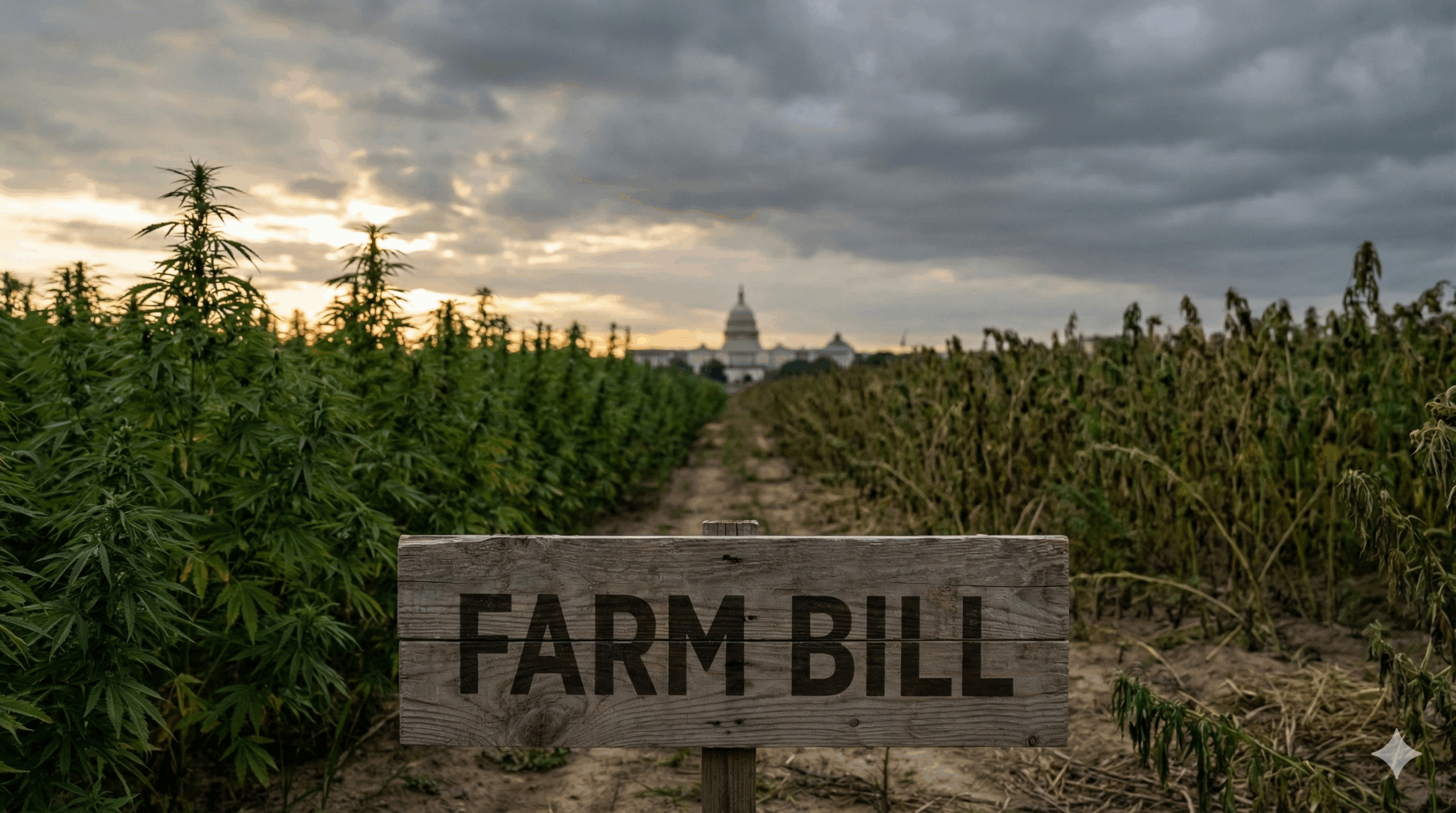
Image: The 2018 Farm Bill created the legal definition that allowed the hemp market to flourish.
TL;DR
- The 2018 Farm Bill defined hemp as cannabis with ≤0.3% delta-9 THC, inadvertently creating a legal market for THCA.
- THCA is non-intoxicating in raw form but converts to THC when heated, creating a "legal" high in states with prohibition.
- Smart brands succeeded through transparency, education, and product diversification, while others risked enforcement by cutting corners.
- New federal language threatens to close this loophole, potentially dismantling the $28 billion hemp industry.
- Businesses now face a structural reset: pivot, comply with stricter rules, or exit the market.
The Legal Framework Behind THCA and the 2018 Farm Bill
To understand why THCA products exploded nationwide, you have to start with the 2018 Farm Bill. Under federal law, hemp is defined as cannabis containing no more than 0.3% delta-9 THC on a dry weight basis. THCA itself is not delta-9 THC and is non-intoxicating in its raw form. As long as a product stays under the delta-9 threshold at the time of testing, it has been considered federally compliant hemp.
That distinction opened the door for a massive new market. THCA products could be sold legally in states where traditional marijuana remained restricted, provided producers followed strict testing, storage, and labeling rules.
The catch has always been chemistry. THCA converts into THC when exposed to heat, light, or improper processing. That means compliance does not stop at harvest. It extends through extraction, packaging, storage, shipping, and retail handling. Businesses that failed to manage that risk exposed themselves to enforcement issues.
The repeated extensions of the 2018 Farm Bill gave the hemp industry breathing room. Stability allowed companies to invest in infrastructure, improve testing standards, and educate consumers on what THCA is and what it is not. For several years, that framework held.
Why THCA Took Off So Fast
Rising Demand for Non-Intoxicating Cannabinoids
Consumer interest in cannabinoids that do not cause intoxication has grown steadily. THCA fit perfectly into that gap. Early research and anecdotal use pointed to potential anti-inflammatory, anti-nausea, and neuroprotective properties, without the head high associated with THC.
That made THCA appealing to a wider audience. Athletes explored it for recovery. Older consumers used it for joint and inflammation support. Wellness-focused buyers were drawn to a plant-based option that did not interfere with daily function. As awareness increased, THCA moved from niche compound to mainstream category almost overnight.
Education Became the Product
Because THCA sits in a legal and scientific gray area, education mattered as much as the product itself. Brands that clearly explained lab results, cannabinoid chemistry, and usage differences earned trust. Brands that didn’t created confusion. The companies that succeeded treated education as part of compliance, not just marketing.
What Smart THCA Sellers Did Differently
Transparency Built Trust
The strongest THCA brands leaned hard into transparency. They published third-party lab tests, explained how delta-9 compliance worked, and avoided vague or misleading claims. Clear labeling, detailed FAQs, and honest consumer education became competitive advantages. This wasn’t optional. In a category under constant scrutiny, trust was the business model.
Product Diversification Reduced Risk
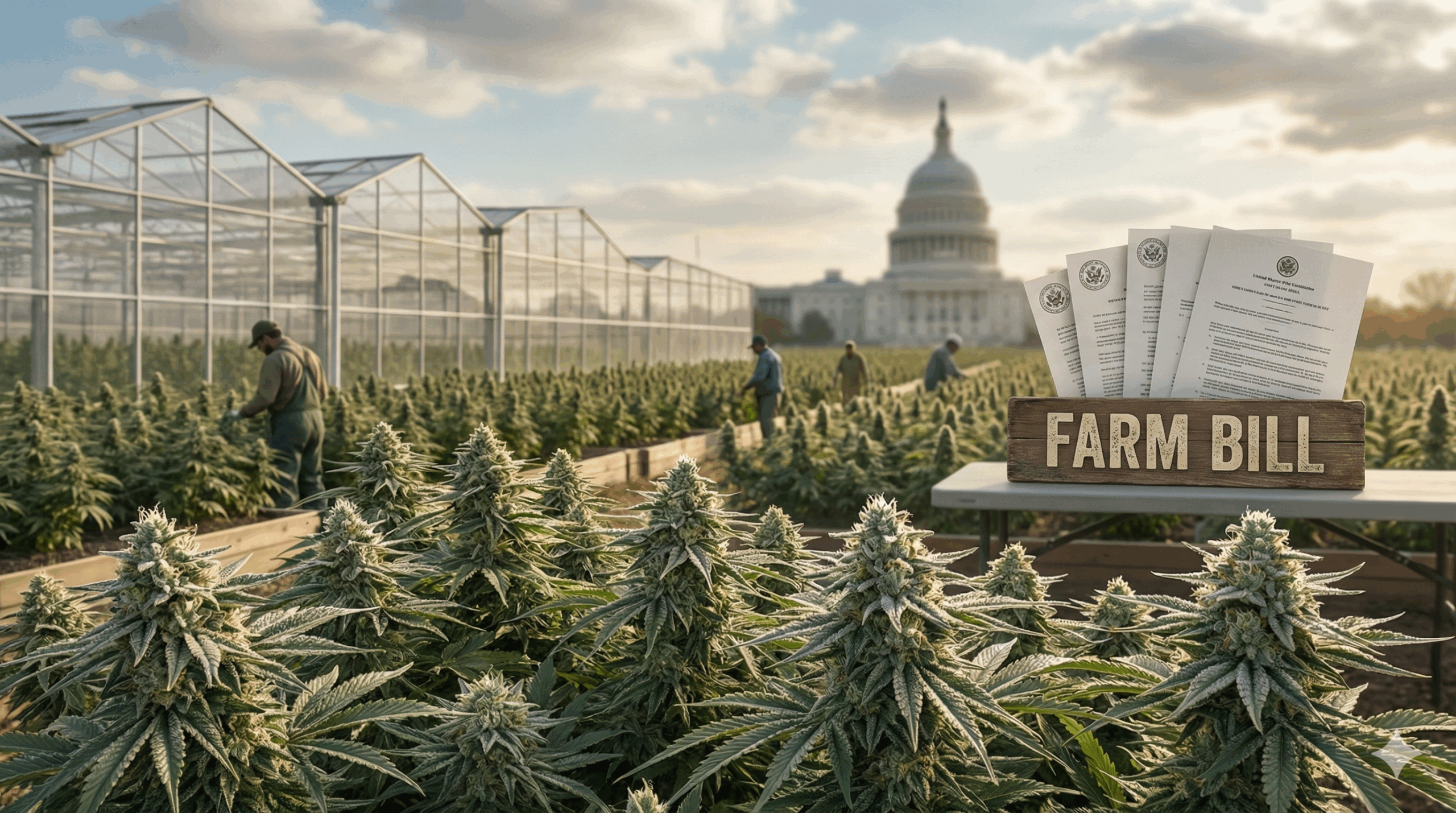
THCA worked across formats, and sellers who diversified were better insulated from shifts in demand. Popular options included tinctures, capsules, topicals, powders, and beverages. Each served a different customer and use case. Diversification wasn’t just about sales. It reduced regulatory exposure by spreading risk across formats with different processing and storage profiles.
E-Commerce Fueled National Growth
Online sales turned THCA into a national product almost instantly. In states where dispensaries were limited or nonexistent, e-commerce filled the gap. Lower overhead, broader reach, and direct-to-consumer education made online platforms the backbone of the THCA economy. SEO, content marketing, and compliant branding mattered more than flashy advertising.
The Compliance Challenges Everyone Knew Were Coming
THC Conversion Was the Constant Risk
The biggest technical challenge in the THCA market was always conversion. Heat, light, time, and poor storage all increase delta-9 levels. That forced serious operators to test products multiple times and invest in protective packaging. Those who cut corners created enforcement pressure for everyone else.
State Laws Never Fully Aligned
Even with federal legality, states added their own layers of restriction. Some imposed stricter testing standards. Others banned certain hemp-derived cannabinoids outright. The result was a fragmented regulatory map that required constant monitoring and legal awareness.
Long-Term Impact THCA Was Already Having
Research and Product Innovation
The extended Farm Bill window allowed companies to invest in R&D. Improved delivery systems, bioavailability enhancements, and cannabinoid combinations started to emerge. Interest in how THCA interacts with other cannabinoids and terpenes grew, pushing the industry toward more sophisticated formulations rather than novelty products.
Sustainability and Local Economies
High-THCA hemp production supported sustainable agriculture. Hemp’s low water needs, soil remediation properties, and fast growth cycle made it attractive to farmers struggling with traditional crops. The supply chain created jobs across farming, testing, processing, packaging, and logistics, especially in rural areas that needed economic alternatives.
Conclusion: Why THCA Mattered
THCA was not a loophole. It was the result of how federal law defined hemp and cannabinoids. For several years, it created a bridge between prohibition-era cannabis policy and modern consumer demand.
Companies that focused on compliance, transparency, and education helped legitimize the category. Those that chased hype made it an easier target. And now, that bridge is being dismantled.
Update: Federal THCA Ban Changes Everything
Since this article was first written, the landscape has shifted dramatically. New federal language effectively eliminates the THCA hemp market as it currently exists, threatening an estimated $28 billion industry and hundreds of thousands of jobs. The same legal framework that allowed THCA to flourish is now being rewritten to close the door entirely.
If you want a clear breakdown of what this means for hemp businesses, consumers, and the broader cannabis market, read this full analysis:
For a broader look at how this fits into the evolving federal cannabis landscape, including scheduling changes and policy direction, see:
👉 Federal Cannabis Policy Update
This isn’t just a regulatory tweak. It’s a structural reset. Businesses that relied on hemp-derived cannabinoids now face hard decisions about compliance, pivoting, or exiting the market entirely.