

Cannabis Culture • Industry Trends • Consumption Methods
How Cannabis Consumption Has Evolved Beyond Traditional Flower
From concentrates and vapes to edibles and microdosing, today's cannabis landscape offers something for everyone—reflecting a maturing industry that values quality, education, and intentional use.
TL;DR
- Cannabis consumption has expanded far beyond traditional flower, driven by advances in cultivation, extraction, and consumer education.
- Concentrates like wax, shatter, and live resin offer higher potency and more controlled experiences with improved purity.
- Vaping emerged as a major turning point, offering smoke-free, portable, and discreet consumption options.
- Modern edibles feature accurate dosing and consistent effects, with delta gummies becoming popular for longer-lasting, inhalation-free experiences.
- Microdosing and wellness-focused consumption reflect a shift toward intentional use rather than maximum potency.
- Quality genetics and clean cultivation practices remain foundational to all consumption methods.
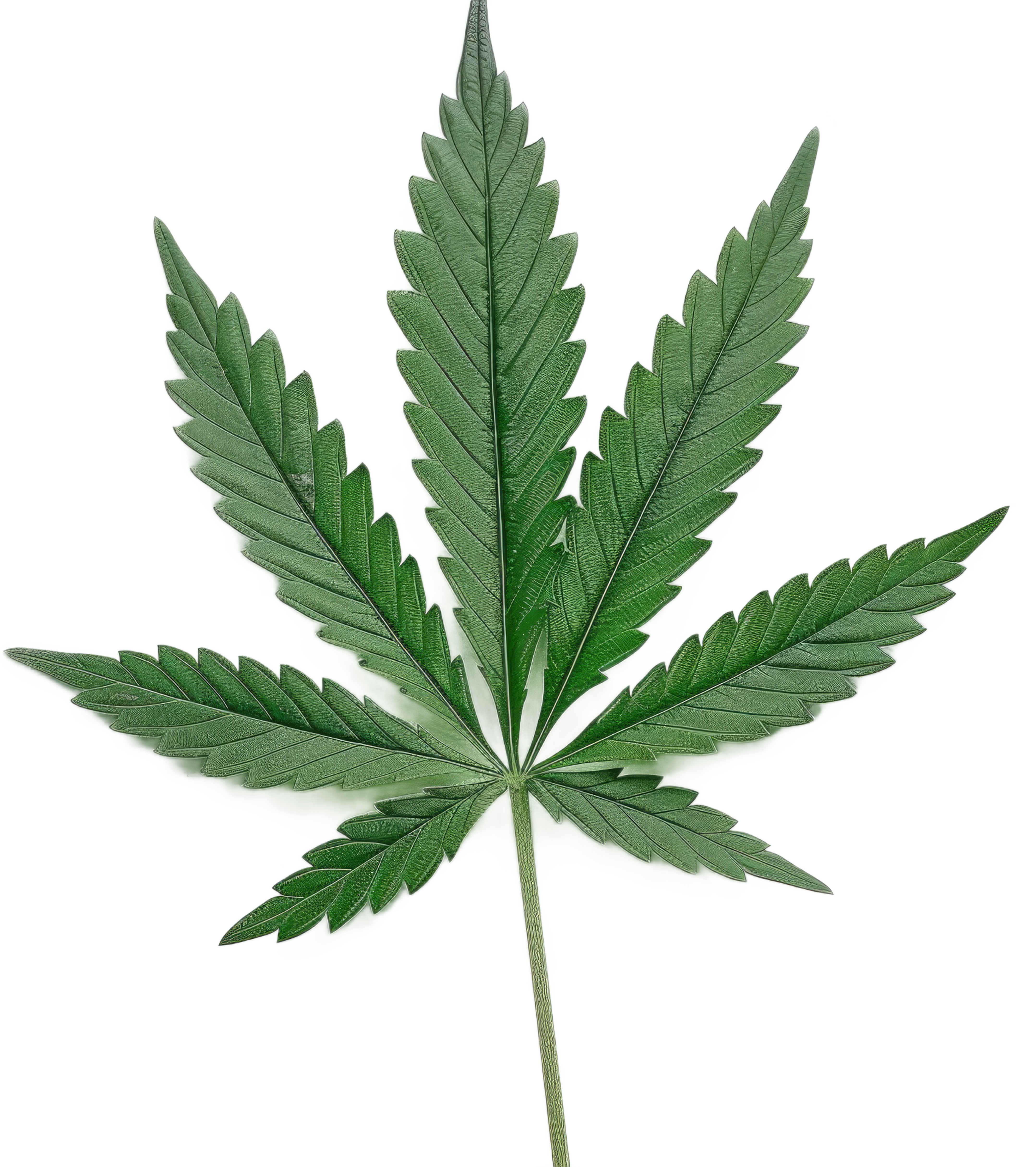
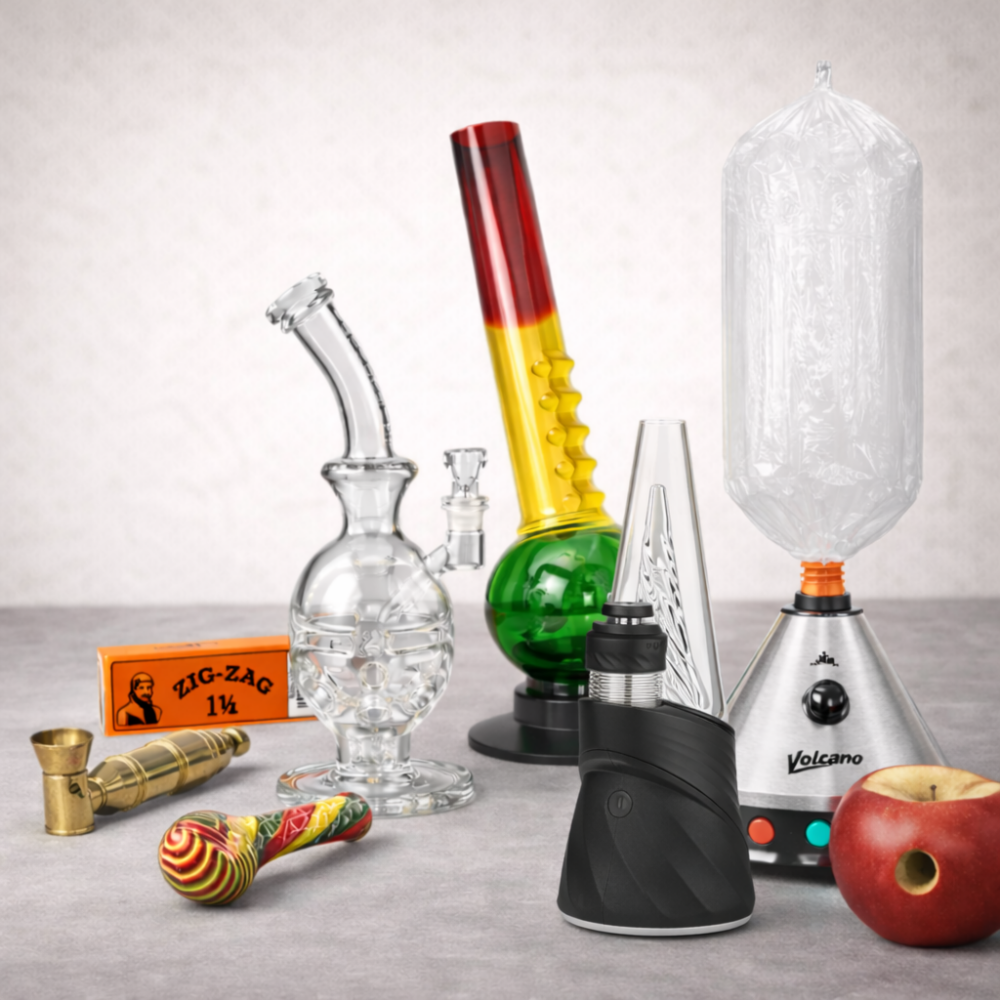
For decades, cannabis consumption was almost synonymous with smoking dried flower. Joints, pipes, and bongs defined how people interacted with the plant, and for a long time, there were few mainstream alternatives. Today, however, cannabis culture looks dramatically different. Advances in cultivation, extraction, and consumer education have reshaped how people experience cannabis, pushing it far beyond the boundaries of traditional flower.
This evolution reflects broader shifts in lifestyle preferences, wellness awareness, and technology. Modern consumers are more informed, more selective, and more interested in convenience, discretion, and consistency. As a result, cannabis has transformed from a one-dimensional product into a diverse ecosystem of formats designed to suit different needs and preferences.
The Foundation: Why Flower Dominated for So Long
Traditional cannabis flower dominated early consumption for simple reasons. It was the most direct way to experience the plant, requiring minimal processing and equipment. Flower allowed users to appreciate strain-specific aromas, flavors, and effects, which became central to cannabis culture. Growers focused on genetics, terpene profiles, and potency, establishing the foundation of modern cannabis breeding.
However, flower also comes with limitations. Smoking can be harsh on the lungs, dosage can be inconsistent, and the experience isn't always discreet. As legalization expanded and research progressed, both consumers and producers began exploring alternatives that could offer the benefits of cannabis without some of its drawbacks.
The Rise of Concentrates and Refined Experiences
One of the earliest signs of change was the growing popularity of cannabis concentrates. Products like hash, wax, shatter, and live resin introduced higher potency and more controlled experiences. Concentrates allowed consumers to use smaller amounts while achieving desired effects, making them appealing to both medical and recreational users.
Extraction techniques improved rapidly, preserving terpenes and cannabinoids more effectively than traditional methods. This focus on purity and precision helped shift cannabis from a raw agricultural product into something closer to a refined wellness or lifestyle item. With concentrates came a growing emphasis on lab testing, consistency, and transparency—factors that modern consumers increasingly value.
Vaping: A Shift Toward Convenience and Discretion
As technology advanced, vaping emerged as a major turning point in cannabis consumption. Vape pens and cartridges offered a smoke-free alternative that was portable, discreet, and easy to use. Unlike smoking flower, vaping allows users to avoid combustion, which many perceive as a cleaner option.
In the upper middle of the market shift, many consumers began choosing to buy vapes online due to wider selection, detailed product information, and easier access to specific formulations. Online platforms made it simpler to compare strains, cannabinoid profiles, and hardware options, empowering users to make more informed decisions. Vaping also appealed to those who wanted faster onset than edibles but less intensity than traditional dabbing.
This change reflected a broader trend: cannabis becoming integrated into everyday routines rather than being reserved for specific social settings.
Edibles Move Beyond Brownies
Edibles have existed for a long time, but early versions were often unpredictable in both potency and onset time. Modern edibles, however, represent one of the most significant evolutions beyond traditional flower. Advances in infusion techniques have made dosing more accurate and effects more consistent.
Among these innovations, delta-based products have gained attention for offering controlled, approachable experiences. Many consumers now choose to buy delta gummies as an alternative to smoking or vaping, especially when they want longer-lasting effects without inhalation. Gummies are discreet, portable, and easy to incorporate into a wellness-oriented lifestyle.
This shift highlights how cannabis is increasingly consumed in familiar, food-like formats that appeal to a broader audience, including those who may have never considered using flower.
Wellness, Microdosing, and Intentional Use
Another major evolution in cannabis consumption is the move toward intentional and wellness-focused use. Rather than seeking maximum potency, many users now prioritize balance, functionality, and predictability. Microdosing—using small, controlled amounts—has become popular among people looking to manage stress, improve sleep, or enhance creativity without feeling overwhelmed.
This mindset has influenced product development across the industry. Low-dose edibles, mild vape formulations, and cannabinoid-specific products allow consumers to tailor their experience more precisely. Cannabis is no longer just about getting high; for many, it's about supporting a particular mood, activity, or routine.
The Role of Genetics and Quality Control
Despite the rise of alternative consumption methods, everything still starts with the plant itself. Advances in cannabis genetics have played a critical role in this evolution. Breeders now focus on specific cannabinoid ratios, terpene profiles, and stability, which directly influence how extracts, vapes, and edibles perform.
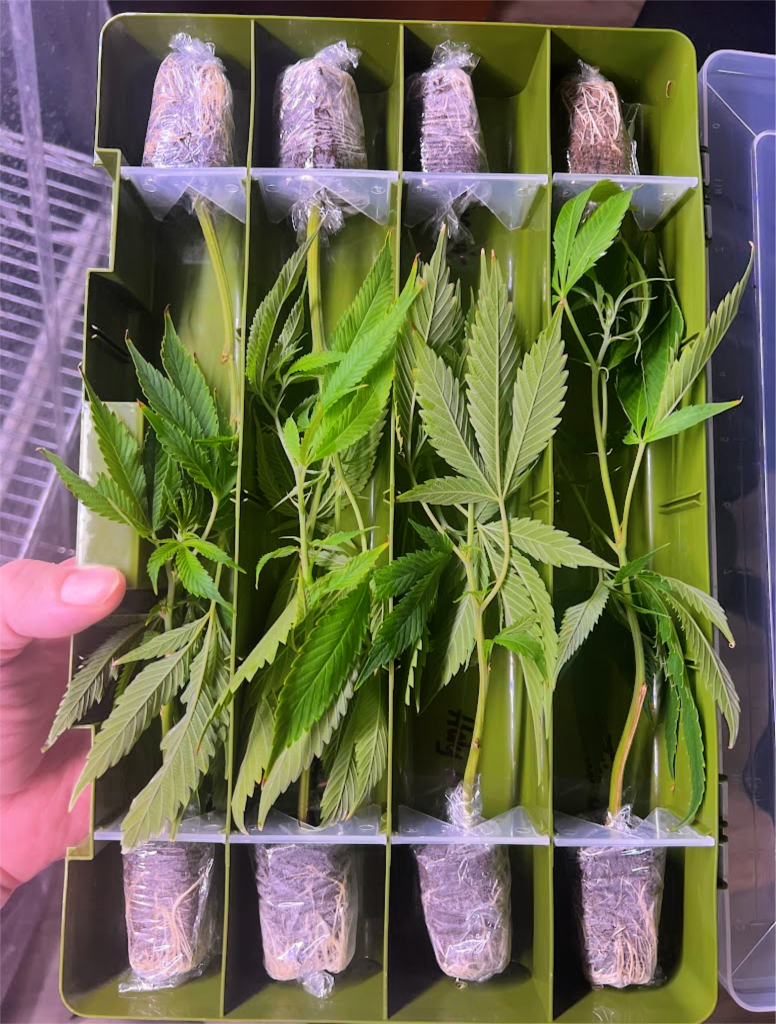
Clean cultivation practices, disease-free clones, and rigorous testing ensure that downstream products meet modern expectations. As cannabis products become more refined, consumers increasingly care about sourcing, transparency, and consistency—values that were less emphasized during the era of traditional flower dominance.
Cultural Acceptance and the Future of Consumption
The diversification of cannabis consumption methods has also helped normalize its use. Discreet, odor-free options and wellness-oriented products have made cannabis more accessible to professionals, older adults, and first-time users. This broader acceptance continues to drive innovation and demand for new formats.
Looking ahead, cannabis consumption will likely become even more personalized. Advances in technology may lead to faster-acting edibles, precision-dose devices, and products tailored to individual body chemistry. While traditional flower will always have a place in cannabis culture, it is no longer the default or dominant option.
Conclusion
Cannabis consumption has evolved far beyond traditional flower, shaped by technology, consumer preferences, and a growing emphasis on wellness and control. From concentrates and vapes to gummies and microdosing solutions, today's cannabis landscape offers something for everyone. This evolution reflects a maturing industry—one that values quality, education, and intentional use as much as the plant itself.