

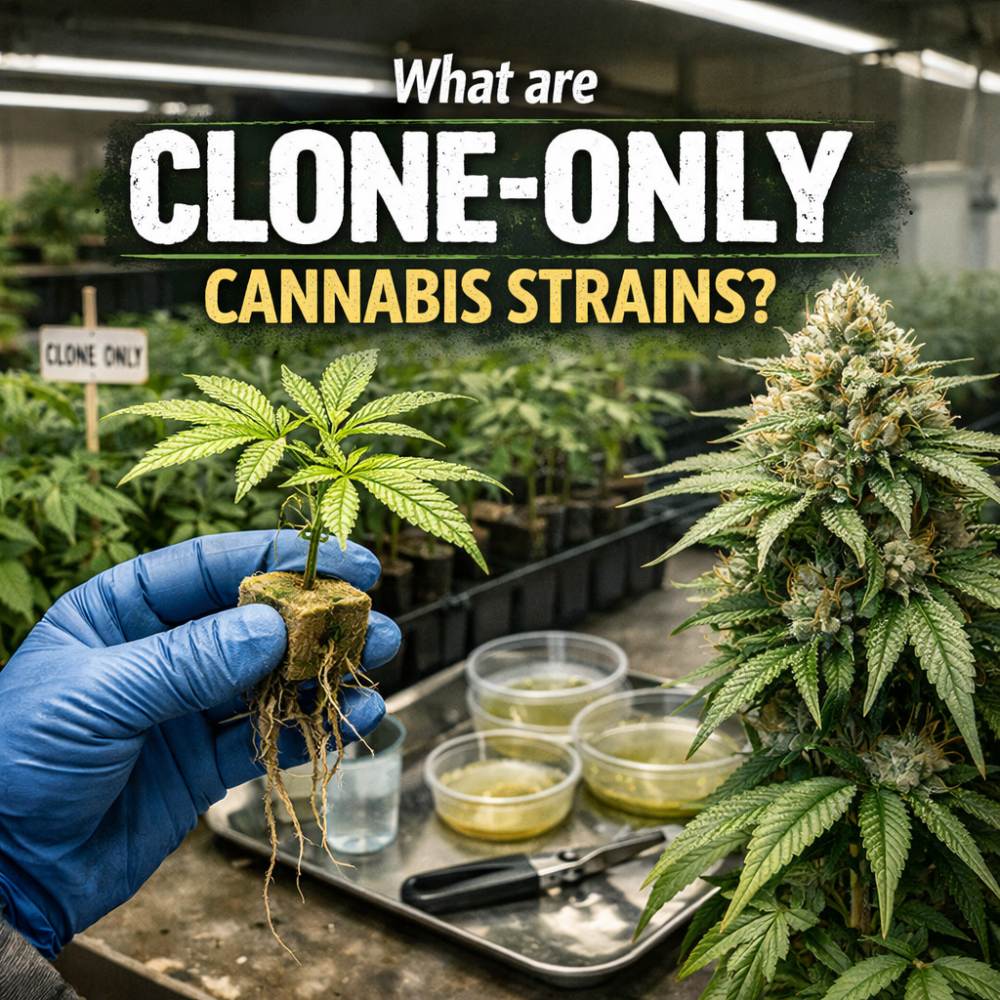

Cultivation • Genetics • Cannabis Culture
The Holy Grails: A Guide to Legendary Clone-Only Cannabis Strains
Why do some strains become legends while others fade away? We dive deep into the world of elite cuts, the history of the plants that changed the industry, and why growing from a clone is the only way to experience the true original.
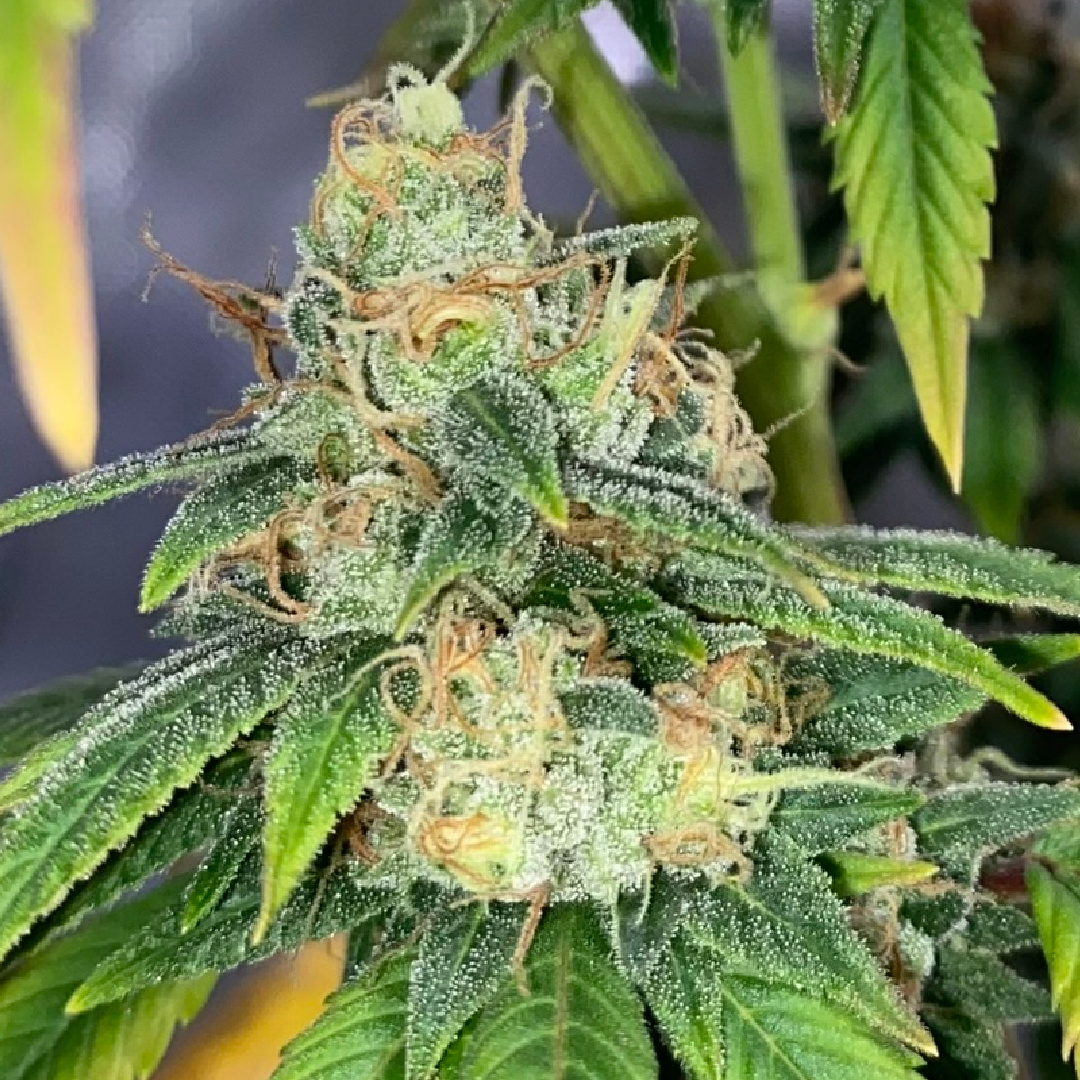
Image: Closeup of the Gabby cut of Sour Diesel grown by Nick Vitus in Missouri. Pic is current as of today 12/31/25 and still has a few weeks to go.
I am looking forward to smoking this in the spring. Nick is one of my all-time favorite growers and I have prefered his over most for the past 10+ years. Check out more if Nick's work here Nick Vitus on IG
TL;DR
- Clone-Only defined: These are specific, elite phenotypes that cannot be reproduced exactly from seed; they must be propagated via cuttings to maintain their genetic fingerprint.
- Consistency is King: Commercial growers and medical patients rely on clones for identical cannabinoid profiles, harvest times, and yields, eliminating the "pheno-hunt" lottery.
- The Legends: Strains like Chem 91, OG Kush, and Sour Diesel built the modern cannabis industry and remain superior to many modern hybrids.
- The Risks: Cloning can pass on systemic issues like HLVd (Hop Latent Viroid), making source verification and Tissue Culture vital.
- Preservation: Buying clone-only strains allows home growers to access 30+ years of breeding history that would otherwise be lost.
What Does "Clone-Only" Actually Mean?
In the world of horticulture, the term "clone-only" carries a weight of exclusivity and prestige. But to understand why, you have to understand basic plant biology.
When you breed a male plant with a female plant, the resulting seeds are an "F1" generation. Think of these seeds like human siblings. Even if they have the same parents, one might be tall and lanky, another short and stocky; one might have the mother's eyes, while the other has the father's nose. In cannabis, these variations are called phenotypes.
Occasionally, a grower pops a pack of seeds and finds a "unicorn"—a single plant that possesses a perfect storm of traits: incredible potency, massive yield, pest resistance, and a flavor profile that defies logic. This single plant is one in a million.
You cannot simply breed this plant to create more seeds that are exactly the same. The genetic recombination will shuffle the deck again. To preserve that specific "unicorn," you must take a cutting (a clone) from the mother plant. This biological photocopy creates a genetically identical match.
Cannabis clones act as a time capsule. When you smoke a verified cut of Chem 91 today, you are interacting with the exact same biological organism that was discovered at a Grateful Dead show in 1991.

The Great Debate: Seeds vs. Clones
For the home grower, the choice between starting from seeds or clones is the first major decision. While seeds offer vigor and the excitement of the unknown, clones offer something professionals value more: predictability.
The "Pheno-Hunt" vs. The "Proven Winner"
When you buy cannabis seeds, you are paying for the potential to find a great plant. You might have to germinate 10 or 20 seeds, grow them for months, and flower them out just to find one keeper. This is known as "pheno-hunting." It is rewarding, but resource-intensive.
Clone-only strains are "proven winners." The hunting has already been done for you—often decades ago. You know exactly what the plant will smell like, how tall it will stretch, and how many weeks it takes to flower.
The Clone-Only Hall of Fame
There are thousands of strains in circulation, but only a handful have shaped history. These legendary cannabis strains are the parents and grandparents of almost everything on the dispensary shelves today.
1. Chem 91 (The Mother of Modern Weed)
The Story: The lore of Chem 91 is arguably the most famous in cannabis history. In 1991, at a Grateful Dead show in Deer Creek, Indiana, a grower named Chemdog bought a bag of weed simply labeled "Dog Bud." He found 13 seeds. The plants that grew from those seeds (specifically the '91 cut) introduced the sharp, chemical, fuel-like funk that defined 90s cannabis.
The Profile: It smells like skunk, rubber, and chemical spill. It hits with a soaring, cerebral, yet body-numbing potency.
Why Grow It: To experience the raw genetic backbone of Sour Diesel and OG Kush. Get the Chem 91 Clone here.
2. Sour Diesel (The East Coast King)
The Story: Emerging from the underground circuits of New York City in the 90s, "Sour D" became a cultural icon, referenced by everyone from Redman to Jay-Z. It was notoriously difficult to grow, stretching tall and demanding high nutrient loads, but the payout was undeniable.
The Profile: Pure fuel. The smell is so pungent it can penetrate glass jars. The high is famous for being energetic, creative, and "no-ceiling"—meaning the more you smoke, the higher you get.
Why Grow It: For the unique "sativa" rush that doesn't induce anxiety. Get the Sour Diesel Clone here.
3. OG Kush (The California Standard)
The Story: While its origins are debated (some say it's a Chem 91 phenotype, others say it's a Florida cut brought to LA), OG Kush changed the West Coast forever. It created the "Indica" market dominance of the 2000s.
The Profile: A complex mix of earthy pine, lemon cleaner, and damp basement funk. It provides the classic "stoned" feeling—heavy eyes, relaxed body, and stress relief.
Why Grow It: It is the standard by which all other potency is measured. Get the OG Kush Clone here.
4. Zkittlez (The Terpene Revolution)
The Story: While the 90s were about gas and funk, the 2010s brought the "Candy Era." Zkittlez, bred by Terp Hogz, won the Emerald Cup and proved that THC percentage isn't everything. It often tests lower in THC but offers a flavor intensity that is unmatched.
The Profile: As the name implies, it tastes like a mouthful of tropical fruit candy.
Why Grow It: To understand "The Entourage Effect." Kevin Jodrey notes that despite lower THC, the resin profile hits hard due to the terpene density. Get the Zkittlez Clone here.
Modern Challenges: Genetic Drift and HLVd
If clones are so great, why doesn't everyone use them exclusively? The answer lies in the difficulty of maintenance.
The "Dudding" Danger
In recent years, the cannabis industry has been plagued by Hop Latent Viroid (HLVd), often called "dudding." This pathogen travels silently through cuttings. An infected clone will grow normally for weeks, then suddenly stop producing resin, lose vigor, and branches will become brittle. Because clones are literal pieces of the mother plant, if the mother has HLVd, every single clone she produces will be infected.
Genetic Drift
There is also the concept of genetic drift. If a mother plant is kept alive for 20 years in suboptimal conditions, the cellular replication can degrade. This is why sourcing is critical. You need genetics that have been refreshed or maintained by professionals using Tissue Culture methods to clean the stock.
Cultivation Tips for Elite Cuts
Growing a clone-only legend requires a slightly different approach than growing from seed.
- Pre-Veg is Essential: Clones are sexually mature the moment they root. If you flip them to flower too early, they won't have the structure to support big buds. Give them at least 3-4 weeks of vegetative time to build a root mass.
- Support is Key: Many elite cuts (especially Sour Diesel and OG Kush) have lanky, thin stems. They were bred for the flower, not the structure. Use trellis netting (SCROG) early to support the branches.
- IPM (Integrated Pest Management): Because clones come from a living environment, always quarantine new clones for a week before introducing them to your main grow room. Treat them with organic preventative sprays to ensure you aren't importing spider mites or thrips.
Where to Find Verified Genetics
In the old days, you had to know a guy who knew a guy to get a cut of Chem 91. Today, the market has matured, but the risk of fake genetics is higher than ever. There are countless websites selling "Sour Diesel" that is actually just a random hemp plant.
Trust is the currency of the clone game.
This is why we curated our collection at Get Seeds Right Here. We don't just sell plants; we preserve history.
- Verification: We work with breeders to trace the lineage of our cuts.
- Health: Our focus on clean stock minimizes the risk of HLVd and pests.
- Selection: We carry the heavy hitters—from the gas of Chem 91 to the candy funk of Zkittlez.
Whether you are trying to recapture the nostalgia of the 90s or want to see what the hype is about with modern exotics, starting with verified genetics is the only way to ensure the destination matches the journey.
Frequently Asked Questions
Can I turn a clone into a mother plant?
Absolutely. Since a clone is genetically identical to the mother, if you keep it in a vegetative state (18+ hours of light per day), it will grow into a mother plant that you can take further cuttings from for years.
Do clones yield less than seeds?
Not necessarily. While plants from seed have a "taproot" that can make them more vigorous initially, a healthy, well-rooted clone can yield just as heavily. The key is allowing the clone enough vegetative time to establish a complex root system before flowering.
Why are clone-only strains more expensive?
You are paying for certainty and time. With a clone, you skip the germination and seedling stage (saving 3-4 weeks), and you eliminate the risk of growing a male plant or a low-quality phenotype. You are buying a guaranteed female winner.
What is an "S1" seed vs a Clone?
"S1" seeds are created by reversing a female clone-only plant to pollinate itself. While S1 seeds are very close to the mother, they are not 100% identical and will still show some genetic variation. The only way to get the exact 1:1 genetic match is the clone itself.
Cultivation • Genetics • Breeding
The Unicorns of the Garden: What Are Clone-Only Strains?
Why some of the world's most legendary cannabis varieties can't be grown from seed, the science behind the "Golden Ticket" phenotype, and the history of the plants that changed the game forever.
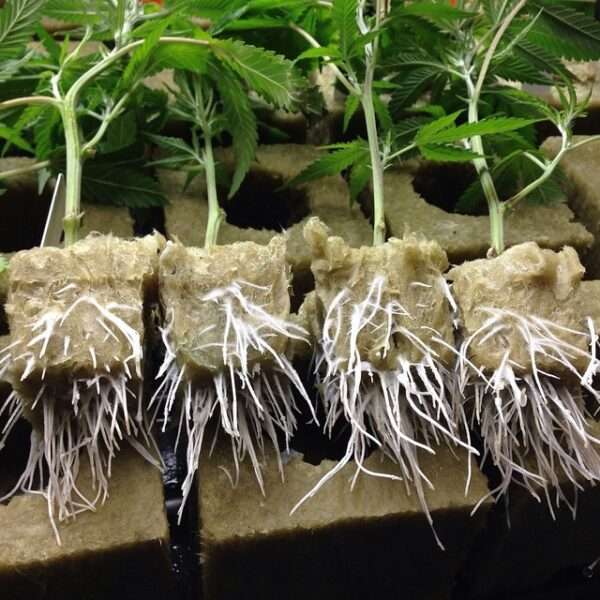
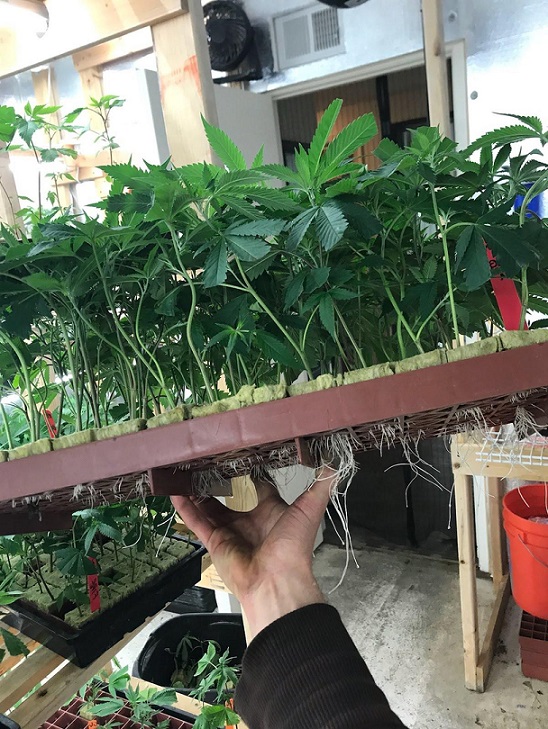
Image: The beginning of a legacy—healthy cuts rooting in a tray.
TL;DR
- A "clone-only" strain is a specific plant (phenotype) whose genetics cannot be exactly reproduced via seeds.
- Cannabis seeds are like siblings; they share parents but have different traits. Clones are identical twins of the mother.
- Many legendary strains (OG Kush, Chemdog '91, Girl Scout Cookies) began as accidental discoveries or lucky bag seeds.
- Breeding a clone-only strain into seed form (IBL) takes years of work and often loses the "magic" of the original cut.
- Keeping a clone-only strain alive requires keeping a "mother plant" in a vegetative state indefinitely.
- For growers, starting with verified clones guarantees you get the exact elite genetics you want without the lottery of popping seeds.
The Golden Ticket and the Pheno Hunt
We've all been there. You buy a bag of something incredible—maybe back in the day, it was that sour, fuel-heavy diesel that stunk up your entire car through three layers of plastic. Or maybe it was a specific cut of Blue Dream that actually tasted like blueberries rather than just generic hay. You love it. You try to find it again a month later, and while the dealer says it's the same strain, it’s... different. The magic is gone.
That feeling of chasing a ghost? That’s the difference between a generic strain name and a specific phenotype.
In the world of cannabis cultivation, the term "clone-only" carries a heavy weight. It implies exclusivity. It implies history. It’s the difference between buying a print of the Mona Lisa at the gift shop and standing in the Louvre looking at the original paint strokes.
A clone-only strain is a singular, unique plant that was selected from hundreds, sometimes thousands, of sisters because it possessed something special. Maybe it was a freak mutation that dumped resin like a waterfall. Maybe it finished flowering in record time. Or maybe it just had a terpene profile that defied logic.
Because cannabis reproduces sexually (male pollen meets female flower), the offspring are a genetic mix of both parents. If you pop ten seeds from the best parents on earth, you might get two duds, six okay plants, and one absolute superstar. That superstar? That’s your "Golden Ticket." And the only way to keep that specific ticket valid forever is to never let it die. You clone it.
If you want to dive deeper into specific heavy hitters, we actually have a breakdown of the clone-only cannabis strains we recommend checking out, but first, let's understand the science of why they exist.
Biology 101: Why seeds aren't clones
To understand why clone-only strains are so revered, you have to understand the chaotic nature of cannabis genetics.
Think of a pack of seeds like a human family. Let’s say you have two parents: Mr. Kush and Mrs. Cookies. They have 100 kids (seeds). Even though all those kids come from the exact same parents, they aren't identical. One kid might be tall and lanky like the dad. Another might be short and stocky like the mom. One might be a genius; the other might be a burnout.
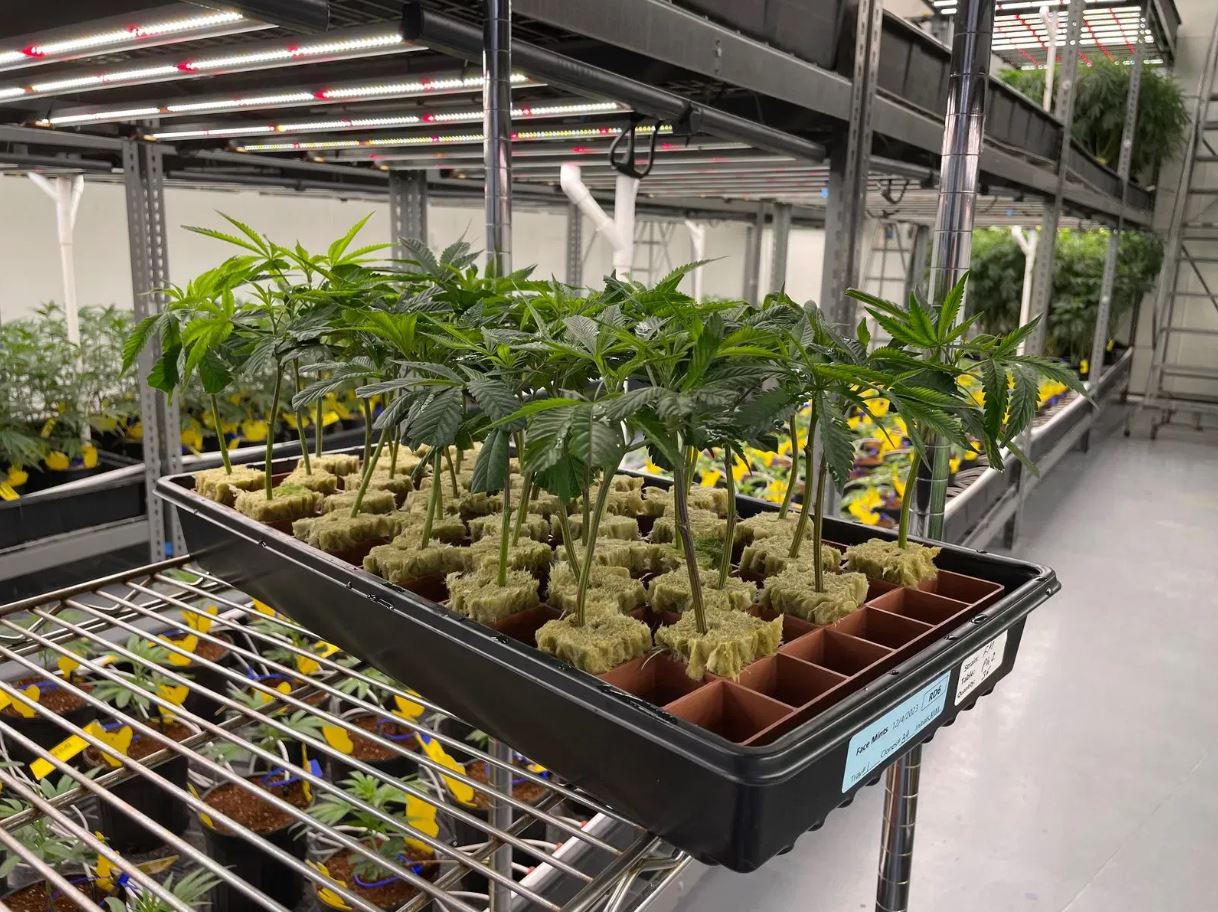
In grower terms, these variations are called phenotypes. When a breeder sells you seeds, they are selling you the potential to find a great plant. They have likely stabilized the line so most of the kids are athletic and smart, but there is always variation.
A clone, however, is not a child. It is the original plant, replicated. If you take a cutting from a mother plant, root it, and grow it out, it has 100% of the exact same DNA as the mother. It is the same age biologically. It will smell the same, taste the same, and yield the same (assuming you treat it right).
This is why "clone-only" strains exist. Sometimes a plant is so unique—so far outside the normal range of its siblings—that breeding it with another plant would dilute the magic. If you try to make seeds from it, the offspring revert to the average. The only way to preserve the magic is asexual propagation: cloning.
The accidental legends
The funny thing about the most famous strains in history is that many of them weren't masterminded in a lab. They were happy accidents.
Take the story of Chemdog (or Chemdawg). The lore goes that a guy named Chemdog bought some weed at a Grateful Dead show in Deer Creek, Indiana, in 1991. The weed was phenomenal—Dog Bud. He found a few seeds in the bag. He popped them. One of those seeds became the Chemdog '91. It wasn't bred intentionally; it was a "bag seed" miracle. That specific plant gave birth to the sour, chemmy, fuel strains we love today.
Or look at OG Kush. Its origins are shrouded in mystery (Florida crossing? California bag seed?), but the "Ghost OG" or "Tahoe OG" cuts are specific plants that have been kept alive in vegetative states for over 25 years. You cannot buy a seed that grows into the exact original OG Kush plant. You can buy seeds that are related to it, or crosses of it, but the original? That’s a clone-only affair.
Then there is Girl Scout Cookies (GSC). This defined the modern era of weed. The original "Forum Cut" was a specific phenotype that was low-yielding but incredibly potent and purple. It was notoriously hard to get. If you had the cut, you had leverage.
The burden of the "Keeper"
So why doesn't everyone just grow clones?
Because maintaining a clone-only strain is a massive responsibility. Imagine having a pet that you can never let die. You can't just put it in the fridge (well, not easily). You have to keep a "mother plant" alive, under 18-24 hours of light, fed and watered, forever.
If your AC fails while you are on vacation? The strain goes extinct. If you get a spider mite infestation? Extinct. If the police kick down your door? Extinct.
In the underground days (the 90s and 2000s), people risked their freedom to keep these genetics alive. Growers would pass cuts to trusted friends as "backups" just in case their main grow got busted. It was a distributed network of preservationists protecting the "Exodus Cheese" in the UK or the "Arcata Trainwreck" in Humboldt.
There is also the myth of "Genetic Drift." Some old-timers believe that if you clone a plant too many times (a clone of a clone of a clone), it loses potency. Scientifically, DNA doesn't degrade like a xerox copy. However, plants can accumulate viral loads (like Hop Latent Viroid) over decades, which makes them sick and weak. This is why some old cuts "tire out."
The modern market and tissue culture
Today, the game has changed. We have the technology to clean these old plants. Through a process called Tissue Culture (TC), labs can take a tiny cluster of cells from an old, sick mother plant and regenerate a completely virus-free, revitalized version of the strain.
This has led to a renaissance of clone-only strains. We are seeing the return of healthy, vigorous versions of 90s classics that we thought were lost to viral load.
Furthermore, the market has opened up. You don't need to know a guy who knows a guy at a Grateful Dead show anymore. You can legally purchase verified genetics.
If you are ready to skip the "pheno hunt" and jump straight to the winner's circle, you can browse our selection of premium cannabis clones. We do the hard work of hunting and verifying so you just have to do the growing.
Should you grow clones or seeds?
This is the eternal debate.
Grow Seeds If:
• You want to hunt for something brand new that no one else has.
• You are worried about bringing pests/diseases into your grow (seeds are generally sterile).
• You enjoy the lottery and the surprise.
Grow Clones If:
• You want a guarantee. You want to know exactly how tall the plant will get, exactly what it will smell like, and exactly how many weeks it takes to flower.
• You want efficiency. Clones shave weeks off the grow cycle because you don't have to germinate and wait for sexual maturity.
• You want to smoke the legends. You want the real-deal Wedding Cake or the authentic Runtz, not a watered-down cousin.
There is a special kind of satisfaction in growing a clone-only cut. You feel like a curator in a museum. You are stewarding a piece of living history. When you smoke it, you are sharing the exact same sensory experience as the person who discovered it twenty years ago. In a world that moves so fast, that consistency is a beautiful thing.
Frequently Asked Questions
What does "Elite Cut" mean?
"Elite cut" is just a fancy term for a clone-only strain that is highly sought after for its potency, flavor, or yield. It’s the cream of the crop.
Can I make seeds from a clone-only strain?
Yes, but the seeds won't be identical to the mother. If you reverse the gender of a female clone (using colloidal silver) and pollinate it, you create "S1" (Selfed) seeds. These will be very close to the mother, but due to recessive genes, you will still see variation.
Do clones lose potency over time?
Not genetically. However, if a mother plant is kept in poor conditions or contracts a virus (like HpLVD), the resulting clones will be weak. This is often mistaken for "genetic drift." Proper care and tissue culture can restore them.
Why are clones more expensive than seeds?
Because you are paying for time and certainty. Someone else spent the months and money to pop the seeds, sex the plants, flower them out, test the buds, and keep the winner alive. You are buying the finished product of their labor.
Is it safe to buy clones online?
Yes, provided you buy from a reputable nursery that tests for viruses and pests. Always quarantine new clones before introducing them to your main grow room, just to be safe.
What is a "Bag Seed"?
A seed found accidentally in a bag of finished flower. While often looked down upon, some of the world's best clone-only strains (like Chemdog) started as bag seeds.